For Exterior Painting, what exterior paint problems should homeowners watch for?
Peeling coating, mildew growth, chalky surfaces, and blistering paint deserve attention before repainting. These signs can point to weak adhesion, moisture, residue, or surface damage. We inspect the affected area and explain what preparation or repair it needs. A quote then separates painting from carpentry when the substrate cannot support a new finish.
How does the crew check a home before painting for Exterior Painting?
The initial check covers coating condition, siding, trim, doors, fascia, and visible substrate damage. We look for loose material, chalking, mildew, and blisters before setting the work scope. We also note surfaces that need cleaning, scraping, sanding, or repair. That review gives you a more useful quote than measuring painted area alone.
Which exterior surfaces can you paint?
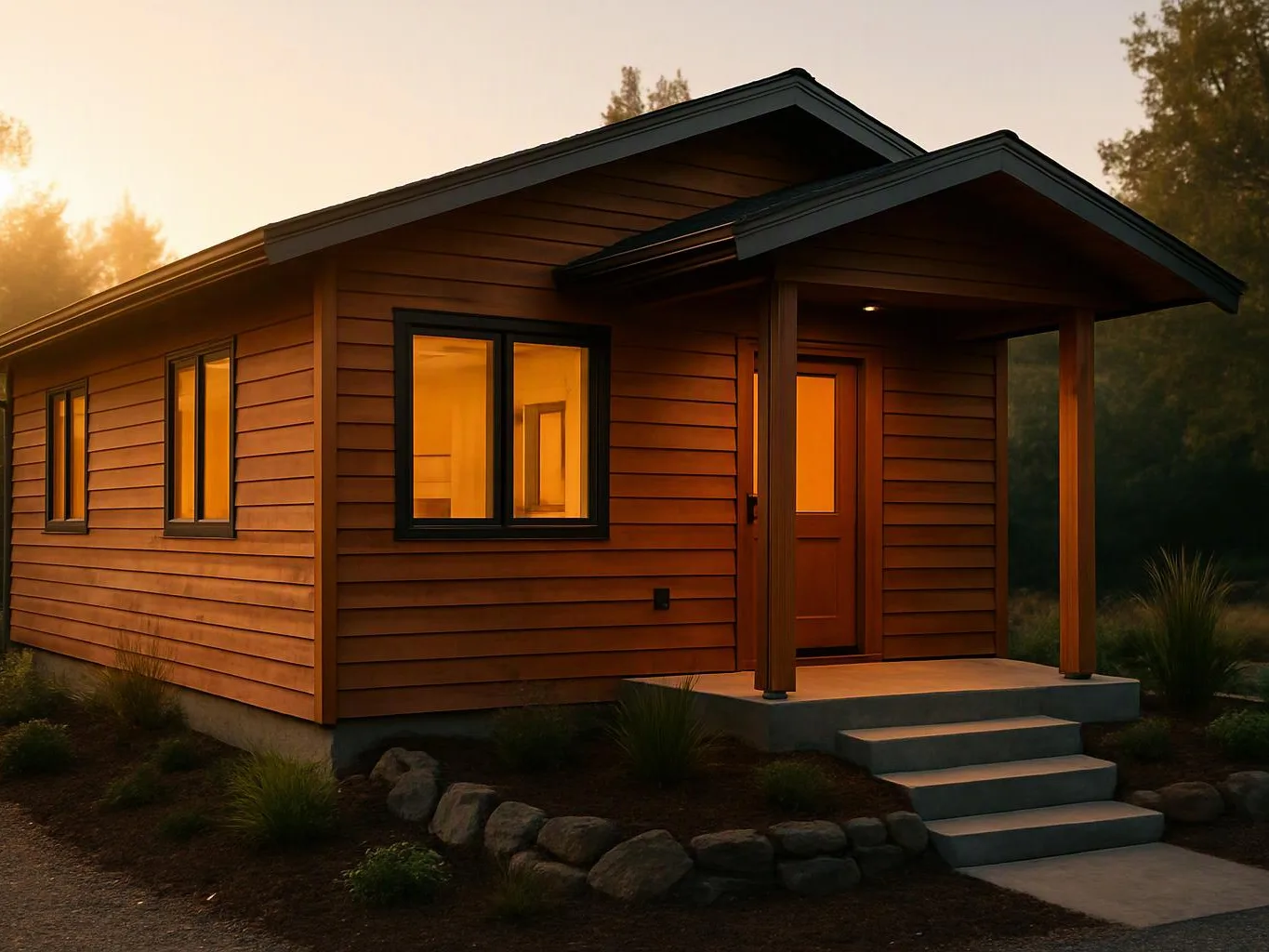
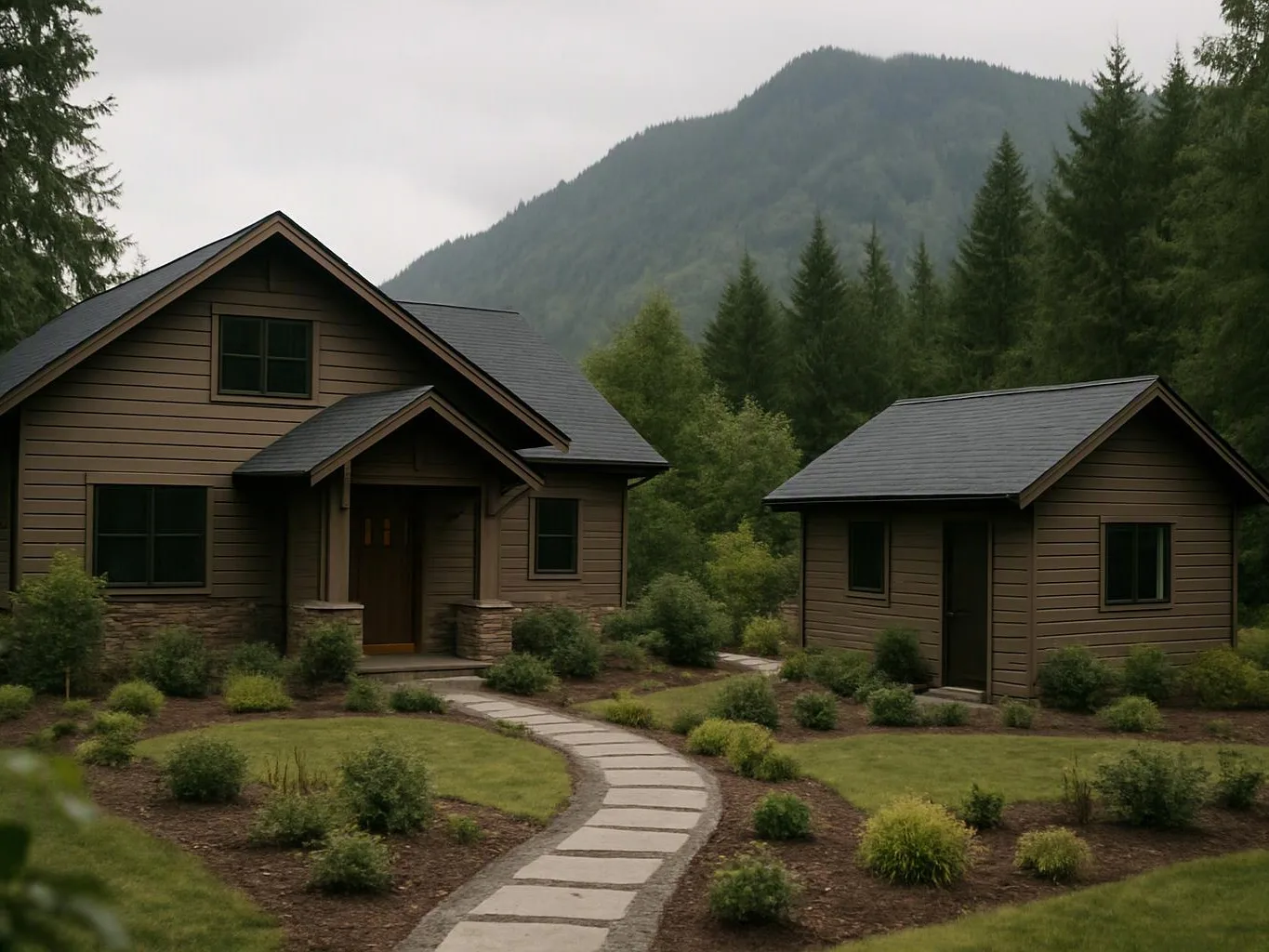
Siding, trim, doors, fascia, and other suitable exterior surfaces can be included in the painting scope. The existing material must first hold a new coating safely. We check each surface because wood, previously painted areas, and damaged material may need different preparation. The quote identifies which surfaces are included and which need repair.
Why does mildew return after an exterior repaint?
Mildew can return when the affected surface stays damp or the underlying condition remains. We inspect the spread, clean the area as part of the planned preparation, and check whether the coating has failed nearby. Painting alone may not address damaged material or ongoing moisture. The assessment helps set a suitable scope for the home.
What changes the quote for a peeling exterior?
The quote changes with the amount of loose coating, the condition beneath it, access, and the preparation required. We separate scraping, sanding, cleaning, carpentry, and finish work when those tasks apply. HomeRemodelNorthbend.link provides free estimates, so you can review the actual work before deciding.
When is exterior painting the wrong job?
Exterior painting is the wrong first step when siding, trim, or substrate needs major replacement. We identify damaged material during the assessment and explain when carpentry or another remodeling service must come first. Paint can finish a sound surface, but it cannot restore material that has already failed.
How should I prepare before requesting a painting estimate?
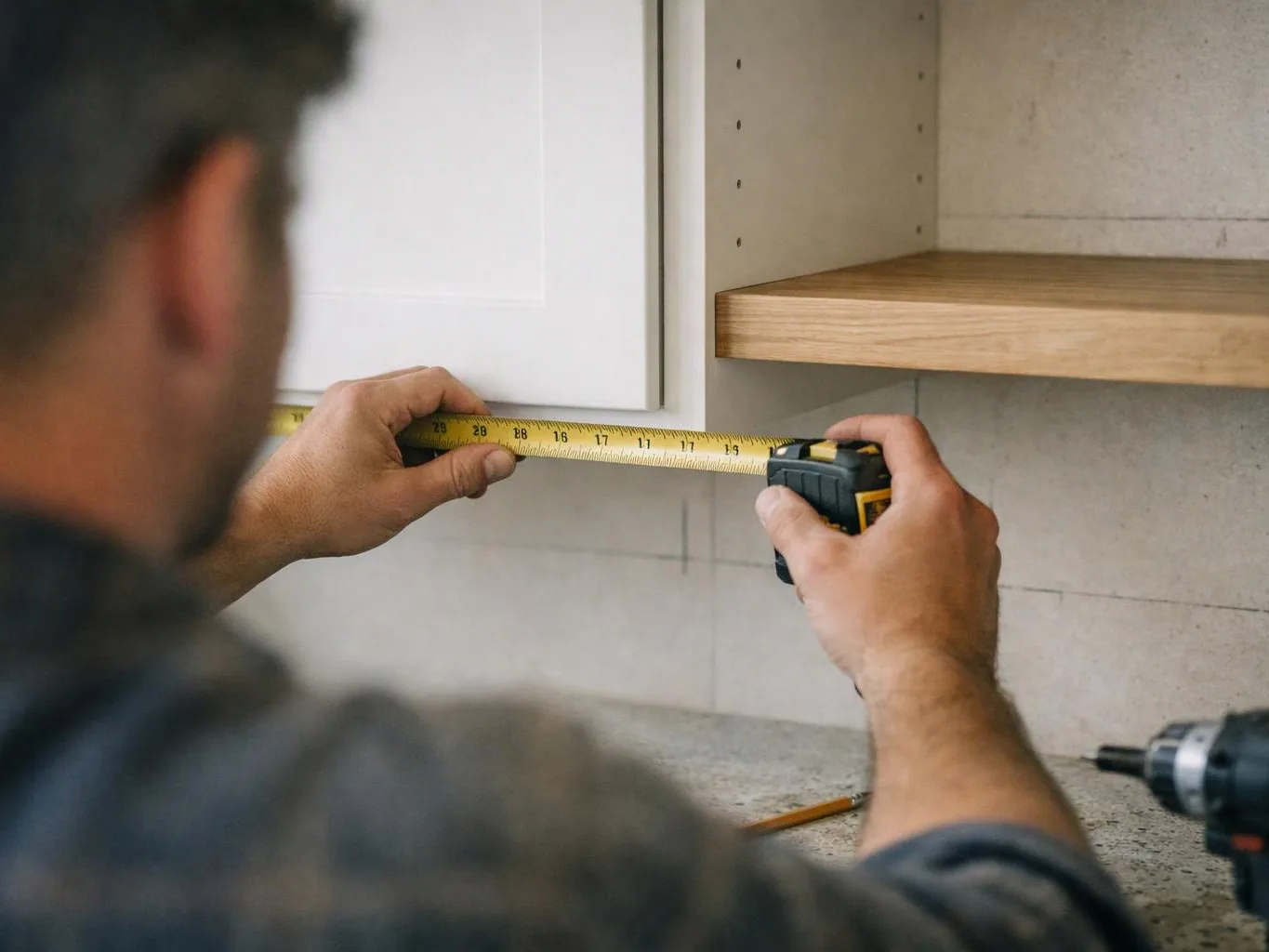
A useful estimate starts with the surfaces you want changed and the problems you have noticed. Note peeling coating, mildew, chalky residue, blisters, damaged trim, and areas that need a color change. Photos can help start the discussion, while an assessment confirms the condition. We then outline the painting and repair scope.